
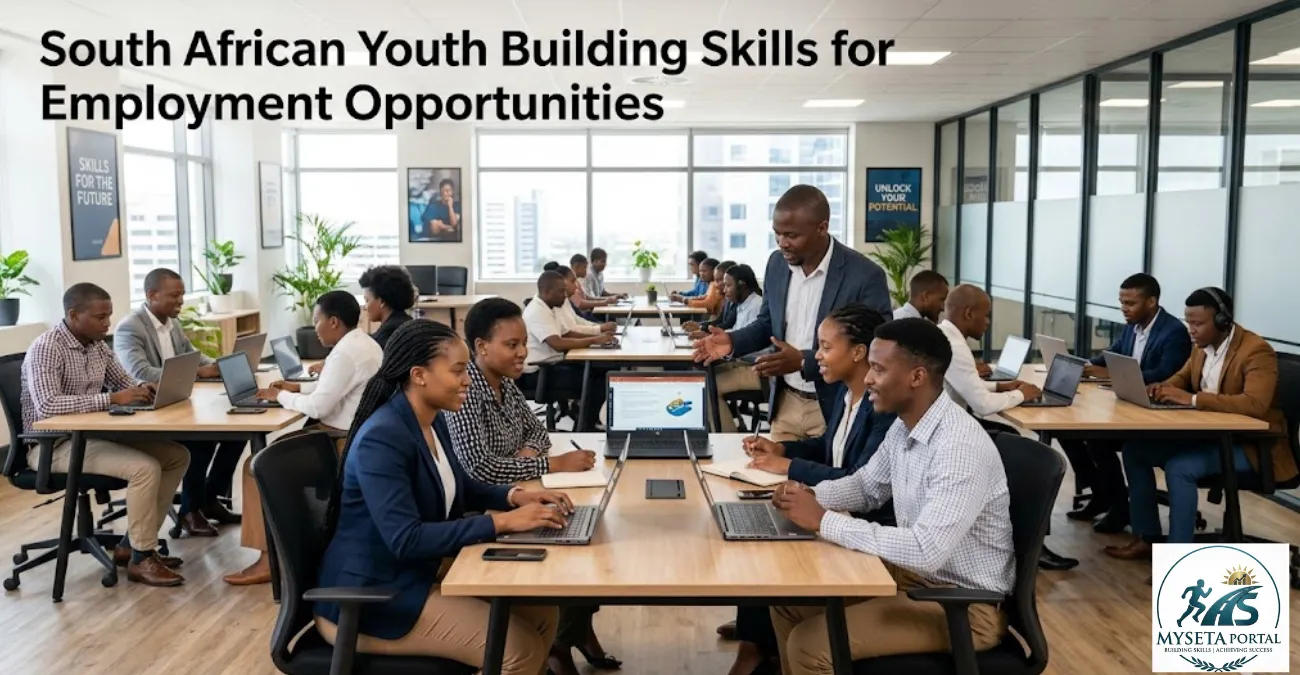
Finding a job without experience can feel frustrating, especially when many vacancies require skills that you have not yet had the opportunity to develop. However, thousands of young South Africans are using learnerships, internships, apprenticeships, bursaries, and skills programmes as stepping stones into long-term careers.
The good news is that employers are increasingly looking for candidates who have practical workplace exposure, digital skills, and nationally recognised qualifications. This means that the right opportunity today can significantly improve your employability tomorrow.
Why Skills Development Matters More Than Ever
South Africa continues to face high youth unemployment levels, making competition for jobs extremely challenging.
Many employers are not only looking for academic qualifications. They also want candidates who can demonstrate:
- Workplace readiness
- Communication skills
- Teamwork
- Computer literacy
- Problem-solving ability
- Industry-specific knowledge
This is where learnerships, internships, apprenticeships, and skills programmes can make a real difference.
Opportunities Young South Africans Should Consider
Learnership Programmes
Learnerships combine classroom-based learning with workplace experience.
Benefits include:
- Nationally recognised qualifications
- Practical work experience
- Monthly stipends (where applicable)
- Improved employment prospects
Learnerships are available across industries such as:
- Banking
- Finance
- Retail
- Information Technology
- Logistics
- Manufacturing
- Public Administration
Internship Programmes
Internships provide graduates and qualifying candidates with workplace exposure.
Participants gain experience in:
- Administration
- Project management
- Customer service
- Finance
- Human Resources
- Information Technology
Many employers use internships as a pipeline for future permanent recruitment.
Apprenticeships
For young people interested in technical careers, apprenticeships offer structured training in trades such as:
- Electrical work
- Plumbing
- Welding
- Mechanical fitting
- Automotive repair
Qualified artisans remain in demand across several sectors of the South African economy.
Skills Programmes
Short skills programmes can help improve employability quickly.
Popular fields include:
- Digital marketing
- Data capturing
- Office administration
- Customer service
- Computer literacy
- Entrepreneurship
Future Employability: Why These Opportunities Matter
One of the biggest mistakes young job seekers make is focusing only on immediate income.
The real value often lies in the long-term career benefits.
A quality learnership, internship, or apprenticeship can help you:
- Build a professional CV
- Develop workplace confidence
- Gain references from supervisors
- Learn industry-specific systems
- Expand your professional network
- Improve your chances of permanent employment
Employers frequently favour candidates who have demonstrated commitment to skills development and workplace learning.
Eligibility Breakdown
While requirements vary by programme, many opportunities are open to applicants who:
- Are South African citizens
- Are currently unemployed
- Are between 18 and 35 years old
- Possess a Grade 12 certificate or relevant qualification
- Are willing to participate in workplace training
Always read the official advertisement carefully before applying.
Related Opportunity
You may also explore
- Top Digital Marketing Skills Every Entrepreneur Needs to Grow an Online Business in 2026
- 7 High-Demand Tech Skills You Can Learn Without Going to University
- Is Cellphone Repair a Good Business in 2026? What South African Entrepreneurs Need to Know
- 5 Skills You Will Learn in a Laptop Repair Programme in South Africa
- How Much Can a Cellphone Repair Technician Earn in South Africa in 2026?
Document Checklist
Before applying, prepare the following:
Essential Documents
- Certified copy of your South African ID
- Updated CV
- Certified copy of Grade 12 certificate
- Certified copies of tertiary qualifications (if applicable)
- Academic transcripts (where required)
- Proof of residence (if requested)
Helpful Supporting Documents
- Reference letters
- Certificates from short courses
- Driver’s licence (if relevant)
- Portfolio of work (where applicable)
Having these documents ready can help you apply faster when opportunities open.
Step-by-Step Application Guide
Step 1: Identify Suitable Opportunities
Focus on programmes that match your qualifications, interests, and career goals.
Step 2: Prepare Your CV
Ensure your CV is professional, accurate, and free from spelling mistakes.
Step 3: Gather Supporting Documents
Create digital copies of all required documents.
Step 4: Submit Before the Closing Date
Late applications are often automatically disqualified.
Step 5: Monitor Communication Channels
Check your email, phone, and application portals regularly.
Step 6: Prepare for Interviews
Research the organisation and practice answering common interview questions.
Frequently Asked Questions (FAQs)
Can I apply without work experience?
Yes. Many learnerships, internships, and youth development programmes are specifically designed for candidates with little or no previous work experience.
Do all programmes pay a stipend?
No. Some programmes provide stipends while others focus on training and workplace exposure. Always check the official advertisement.
Can I apply for multiple opportunities?
Yes. Applying for multiple relevant opportunities can improve your chances of success.
How long do programmes usually last?
Programme durations vary but commonly range from 6 to 24 months.
Will I get permanent employment after completing a programme?
Permanent employment is not guaranteed, but participants often improve their employability and competitiveness in the job market.
Martine Smith’s Expert Insight
Many applicants unknowingly reduce their chances of success through avoidable mistakes. Here are four practical ways to stand out:
1. Tailor Your CV for Every Application
Do not send the same generic CV to every employer. Highlight skills and achievements that match the opportunity.
2. Follow Instructions Exactly
A surprising number of applications are rejected because candidates fail to submit required documents or ignore application instructions.
3. Use a Professional Email Address
Avoid informal email addresses. Use your full name where possible.
4. Apply Early
Waiting until the closing date can be risky. Early applications allow time to correct mistakes and avoid technical problems.
Grow Your Career with MySETA Portal
Unlock real opportunities that help you move from learning to earning. MySETA Portal connects South African youth with trusted and up-to-date career development opportunities designed to build skills and open doors.
Whether you are a matriculant, unemployed graduate, or someone looking to upskill, this platform helps you stay ahead with opportunities that matter.
What you can access:
- Career Guides
- SETA Guides
- SETAs
- Bursaries
- Learnerships
- Internships
- Training Programmes
- TVET Opportunities
- Government Vacancies
- Courses
- Apprenticeships
Take the Next Step
Every successful career begins with a first opportunity. Whether it is a learnership, internship, apprenticeship, or skills programme, the experience and knowledge you gain today can open doors for years to come.
Keep your documents updated, apply consistently, and continue developing your skills. You can also monitor opportunities and verify application information through Mysetaportal.co.za.
About the Author
Martine Smith is a South African career opportunities researcher and content specialist who publishes verified information on government vacancies, internships, learnerships, bursaries, apprenticeships, and graduate programmes. His work helps South Africans identify credible employment opportunities and make informed career decisions.
MySETA Portal Disclaimer
Mysetaportal.co.za is an independent information publisher that shares career, education, training, and employment opportunities. The platform is not a government department, SETA, educational institution, or official recruitment agency. Applicants should always verify information directly with the relevant organisation before submitting an application.

Martine Smith is the Founder and Managing Editor of MySETA Portal, he writes about SETA learnerships, internships, bursaries and youth employment opportunities in South Africa. His goal is to help young people access trusted career information and skills development programmes. Email: info@mysetaportal.co.za