
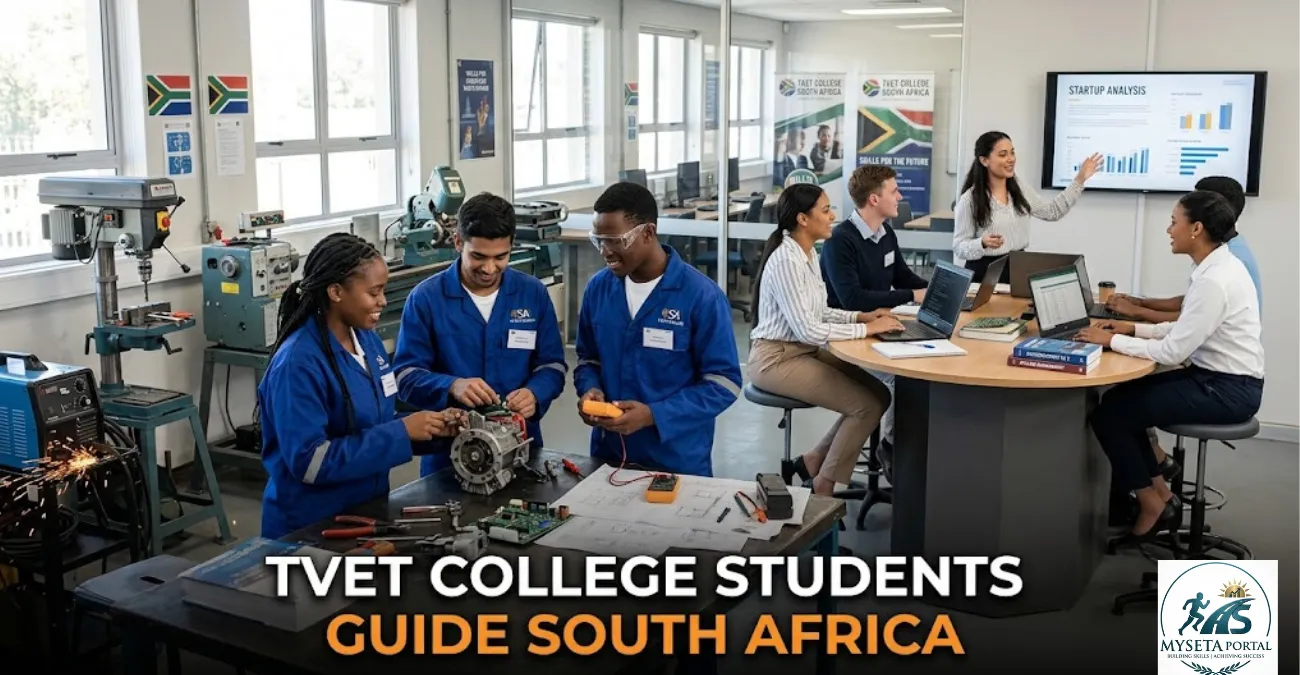
TVET College Students Guide: Building Your Career Through Practical Skills
Technical and Vocational Education and Training (TVET) colleges play a vital role in developing South Africa’s workforce. They provide practical, industry-focused education that helps students gain skills needed for employment, entrepreneurship, and further studies.
Whether you are a new student, a returning learner, or considering enrolling at a TVET college, understanding how the system works can help you make informed decisions about your future.
What Is a TVET College?
A TVET college is an institution that provides vocational and occupational training designed to prepare students for specific careers and industries. TVET colleges focus on practical learning combined with theoretical knowledge.
Programmes are aligned with sectors such as:
- Engineering
- Information Technology
- Business Studies
- Hospitality and Tourism
- Education Support
- Agriculture
- Office Administration
- Finance and Accounting
- Marketing
- Safety and Security
Benefits of Studying at a TVET College
TVET colleges offer several advantages:
Industry-Relevant Skills
Students receive practical training that prepares them for real workplace environments.
Affordable Education
Tuition fees are generally lower than those charged by many universities.
NSFAS Funding Opportunities
Eligible students may qualify for financial assistance through the National Student Financial Aid Scheme (NSFAS).
Employment Readiness
Many programmes include workplace exposure and practical components that improve employability.
Pathways to Further Education
TVET qualifications can provide access to advanced studies at universities and other higher education institutions, depending on programme requirements.
Common TVET Qualifications
National Certificate Vocational (NCV)
NCV programmes range from Level 2 to Level 4 and combine practical and theoretical learning.
NATED Programmes
Also known as Report 191 programmes, these qualifications include:
- N1–N6 Engineering Studies
- N4–N6 Business Studies
After completing the required workplace experience, students may qualify for a National Diploma.
How to Apply to a TVET College
Step 1: Choose a Programme
Research available courses and select one that matches your interests and career goals.
Step 2: Complete Career Guidance Assessments
Most colleges require prospective students to complete placement or career guidance assessments.
Step 3: Submit Your Application
Apply online or directly through your chosen college’s admissions office.
Step 4: Upload Supporting Documents
Typical documents include:
- Certified copy of ID
- Latest school results
- Grade 12 certificate (if applicable)
- Proof of residence
- Parent or guardian documents where required
Step 5: Await Feedback
Successful applicants will receive communication regarding registration and enrolment.
NSFAS Funding for TVET Students
NSFAS funding may cover:
- Tuition fees
- Accommodation (where applicable)
- Learning materials
- Personal care allowances
- Transport allowances (subject to NSFAS rules)
Students should apply during the official NSFAS application period and ensure all required documents are submitted correctly.
Tips for TVET College Success
- Attend classes consistently.
- Complete assignments on time.
- Participate in practical training sessions.
- Develop digital and communication skills.
- Seek workplace learning opportunities.
- Build professional networks with lecturers and industry partners.
Career Opportunities After TVET College
TVET graduates can pursue careers in:
- Engineering
- Electrical Trades
- Business Administration
- Information Technology
- Hospitality Management
- Human Resources
- Finance and Accounting
- Entrepreneurship
- Artisan Trades
Many graduates also continue their studies through higher certificates, diplomas, and degree programmes.
Related Opportunity
You may also explore
- HomeChoice Internship Opportunities 2026 Open for Graduates and TVET Students
- Engineering N6 Students Invited to Apply for Ikhala TVET College Workplace Placement Programme 2026
- Passionate About Agriculture? Apply for the Nkangala TVET College NQF Level 4 Learnership 2026 Apply Before 19 June
Frequently Asked Questions
Can TVET students receive NSFAS funding?
Yes. Eligible TVET students can apply for NSFAS funding subject to the latest funding criteria.
Are TVET qualifications recognised?
Yes. TVET qualifications are accredited and recognised within South Africa’s education and training framework.
Can I study at a university after TVET college?
Depending on your qualification and admission requirements, further study opportunities may be available.
Which TVET courses are in high demand?
Engineering, Information Technology, Business Studies, Hospitality, and artisan-related programmes continue to offer strong employment prospects.
Grow Your Career with MySETA Portal
Unlock real opportunities that help you move from learning to earning. MySETA Portal connects South African youth with trusted and up-to-date career development opportunities designed to build skills and open doors.
Whether you are a matriculant, unemployed graduate, or someone looking to upskill, this platform helps you stay ahead with opportunities that matter.
What you can access:
- Career Guides
- SETA Guides
- SETAs
- Bursaries
- Learnerships
- Internships
- Training Programmes
- TVET Opportunities
- Government Vacancies
- Courses
- Apprenticeships
Final Thoughts
TVET colleges provide valuable opportunities for South Africans seeking practical, career-focused education. By choosing the right programme, applying for available funding, and committing to your studies, you can develop the skills needed to succeed in today’s competitive job market.
About the Author
Martine Smith is a South African career opportunities researcher and content specialist who publishes verified information on government vacancies, internships, learnerships, bursaries, apprenticeships, and graduate programmes. His work helps South Africans identify credible employment opportunities and make informed career decisions.
MySETA Portal Disclaimer
MySETA Portal publishes government vacancies, internships, learnerships, bursaries, apprenticeships, and employment opportunities for informational purposes only. We are not affiliated with recruiting departments and do not process applications. Applicants should always verify information through official government sources before applying.

Martine Smith is the Founder and Managing Editor of MySETA Portal, he writes about SETA learnerships, internships, bursaries and youth employment opportunities in South Africa. His goal is to help young people access trusted career information and skills development programmes. Email: info@mysetaportal.co.za