
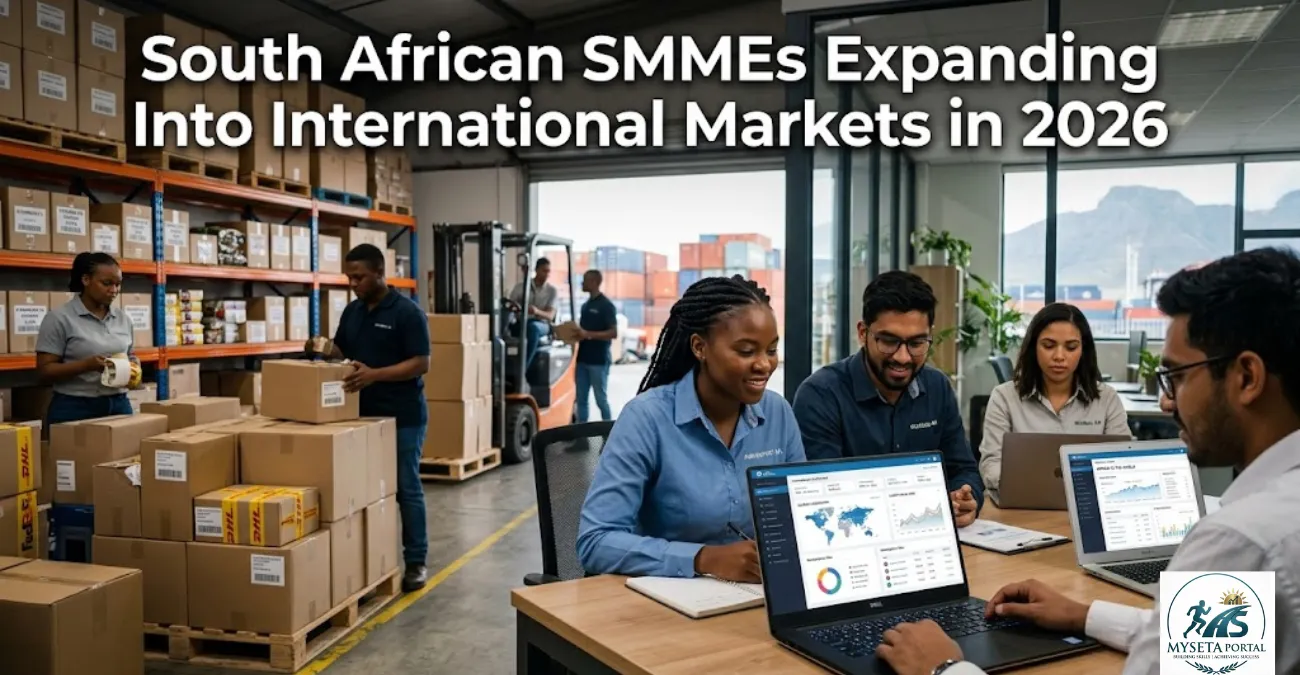
South African small businesses no longer need large budgets or international offices to reach customers across the world. Thanks to digital marketplaces, cross-border logistics, and growing demand for unique African products, 2026 presents one of the best opportunities yet for SMMEs to expand beyond local borders.
Whether you sell fashion, beauty products, handmade crafts, food products, technology solutions, or professional services, international markets can unlock new revenue streams and help your business grow faster than relying solely on domestic demand.
Why International Sales Matter for South African SMMEs
Many South African businesses face challenges such as limited local spending power, increased competition, and economic uncertainty. Expanding internationally helps diversify income sources and reduces dependence on a single market.
Benefits include:
- Access to larger customer bases
- Increased foreign currency earnings
- Stronger business resilience
- Improved brand recognition
- Opportunities for business partnerships and investment
For many SMMEs, exporting is no longer a luxury—it is becoming a strategic growth necessity.
Understanding Your Export Readiness
Before targeting international customers, assess whether your business is ready for export.
Key Questions to Ask
- Can your business meet increased demand?
- Is your product compliant with international standards?
- Can you maintain consistent quality?
- Do you have reliable suppliers?
- Are your pricing and profit margins sustainable?
Businesses that can confidently answer “yes” to these questions are often better positioned for international growth.
Popular International Selling Channels in 2026
Global E-Commerce Marketplaces
Many South African businesses start by selling through established platforms that already attract international buyers.
Examples include:
- Amazon
- Etsy
- eBay
- Alibaba
- Shopify-powered online stores
These platforms provide access to millions of customers without requiring major infrastructure investments.
Business-to-Business (B2B) Exporting
Manufacturers, agricultural businesses, and service providers can often secure larger contracts through B2B channels.
Potential opportunities include:
- Wholesale agreements
- Distributor partnerships
- International procurement networks
- Trade exhibitions and virtual trade fairs
Digital Service Exports
Not all exports are physical products.
South African professionals can sell:
- Graphic design services
- Software development
- Digital marketing
- Virtual assistance
- Business consulting
Global demand for skilled digital services continues to grow.
Step-by-Step Guide to Selling Internationally
Step 1: Research Your Target Market
Identify countries where demand exists for your products.
Research:
- Consumer preferences
- Pricing expectations
- Competitor activity
- Import restrictions
- Market trends
Step 2: Register for Export Activities
Depending on your business model, you may need:
- Business registration documents
- Tax compliance records
- Export permits (where applicable)
- Customs documentation
Step 3: Prepare Your Product
Ensure your products meet:
- Packaging standards
- Labelling requirements
- Quality regulations
- Safety certifications
Different countries often have different compliance requirements.
Step 4: Set Up International Payments
Choose secure payment solutions such as:
- PayPal
- Payoneer
- International bank transfers
- E-commerce payment gateways
A smooth payment process improves customer confidence.
Step 5: Arrange Logistics and Shipping
Partner with reliable logistics providers experienced in international deliveries.
Focus on:
- Delivery times
- Tracking capabilities
- Customs clearance support
- Return processes
Step 6: Market Your Business Globally
Use digital channels to attract customers.
Effective strategies include:
- Search engine optimization (SEO)
- Social media marketing
- Influencer partnerships
- Email marketing
- Content marketing
Building trust is critical when selling internationally.
Eligibility Breakdown
While international selling is open to many businesses, successful exporters typically have:
- A legally registered business
- Quality products or services
- Consistent production capability
- Financial management systems
- Access to digital marketing channels
- Reliable customer support processes
Essential Document Checklist
Prepare the following documents:
Business Documents
- Company registration certificate
- Tax compliance status documentation
- Business bank account information
Export Documents
- Commercial invoices
- Packing lists
- Export permits (if required)
- Certificates of origin (where applicable)
Operational Documents
- Product specifications
- Quality assurance records
- Shipping agreements
- Customer service policies
Keeping documentation organised helps prevent delays and compliance issues.
Future Employability and Business Growth Benefits
Even if international sales start small, the skills gained can significantly improve long-term business sustainability.
SMME owners and employees often develop:
- Digital commerce expertise
- International customer service skills
- Supply chain management knowledge
- Export compliance understanding
- Cross-border marketing experience
- Foreign market analysis capabilities
These are highly valuable skills in today’s global economy.
Businesses that successfully export often become more competitive, innovative, and resilient. They learn to meet international standards, which can also improve their position within the South African market.
Common Challenges and How to Overcome Them
High Shipping Costs
Compare multiple logistics providers and negotiate volume discounts where possible.
International Regulations
Stay informed about country-specific import requirements before accepting orders.
Currency Fluctuations
Consider pricing strategies that account for exchange rate movements.
Building Trust
Use professional branding, customer reviews, and secure payment systems to reassure international buyers.
Martine Smith’s Expert Insight
One of the biggest mistakes SMMEs make is assuming international customers will buy simply because a product is available online. Global buyers need confidence, clarity, and consistency before making a purchase.
Tip 1: Invest in Professional Product Photography
Poor-quality images can immediately reduce trust. Use clear, professional visuals that accurately represent your products.
Tip 2: Don’t Ignore Product Descriptions
Many businesses lose sales because product information is incomplete. Clearly explain features, benefits, dimensions, materials, and delivery expectations.
Tip 3: Start With One Market
Rather than targeting ten countries at once, focus on one promising market and learn from the experience before expanding.
Tip 4: Prepare for Customer Service
Fast responses to customer questions can dramatically improve conversion rates and repeat business.
How To Apply
Frequently Asked Questions
Can any South African SMME sell internationally?
Many can, provided they meet relevant legal, quality, and export requirements.
Do I need a large budget to start exporting?
No. Many businesses begin with small international orders through e-commerce platforms.
Which products perform well internationally?
Products with unique value, strong branding, quality craftsmanship, or specialised expertise often perform well.
Is exporting only for manufacturers?
No. Service providers, technology businesses, consultants, and digital freelancers can also export their expertise.
How long does it take to secure international customers?
Results vary depending on the industry, marketing efforts, competition, and product demand.
Grow Your Career with MySetaPortal
Unlock real opportunities that help you move from learning to earning. MySETA Portal connects South African youth with trusted and up-to-date career development opportunities designed to build skills and open doors.
Whether you are a matriculant, unemployed graduate, or someone looking to upskill, this platform helps you stay ahead with opportunities that matter.
What you can access:
- Career Guides
- SETA Guides
- SETAs
- Bursaries
- Learnerships
- Internships
- TVET Opportunities
- Government Vacancies
- Courses
- Apprenticeships
- Graduate Programme
Final Thoughts
International markets offer South African SMMEs an opportunity to increase revenue, build stronger brands, and create sustainable growth. While exporting requires planning and preparation, the long-term benefits can be significant.
Business owners who start building export capabilities today will be better positioned to compete in the global economy of 2026 and beyond.
For additional opportunities, funding programmes, SMME development initiatives, and application updates, visit Mysetaportal.co.za regularly to stay informed.
Disclaimer
Mysetaportal.co.za is an independent information publisher that shares opportunities, career resources, learnerships, internships, bursaries, SMME programmes, and employment-related updates. Mysetaportal.co.za is not a government department, SETA, educational institution, or official recruitment agency. Applicants should always verify programme details directly with the relevant organisation before submitting applications.

Martine Smith is the Founder and Managing Editor of MY SETA portal, he writes about SETA learnerships, internships, bursaries and youth employment opportunities in South Africa. His goal is to help young people access trusted career information and skills development programmes. Email: info@mysetaportal.co.za