
Nursing remains one of the most respected and essential professions in South Africa. From hospitals and clinics to schools and community healthcare programmes, nurses play a major role in helping people recover, stay healthy, and access quality care.
If you are thinking about studying nursing, understanding what the journey looks like can help you prepare for success. Nursing is rewarding, but it also requires commitment, patience, discipline, and compassion.
Here are seven important things every future nursing student should know before applying.
1. Nursing Courses Include Both Theory and Practical Training
Studying nursing is not limited to textbooks and lecture halls.
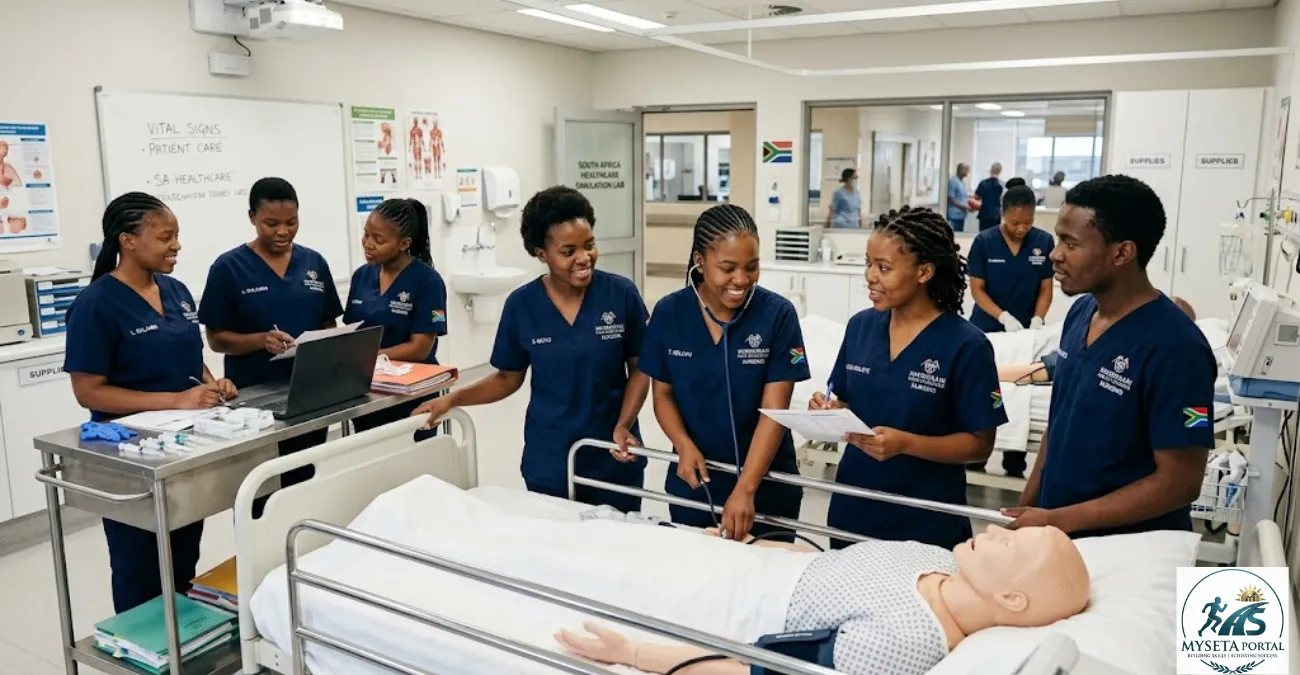
Nursing programmes combine academic learning with hands-on practical experience to prepare students for real healthcare environments.
Students may complete practical training in:
- Hospitals
- Clinics
- Community healthcare centres
- Laboratories
- Public healthcare facilities
This practical exposure helps students build confidence while learning how to care for patients, communicate professionally, and respond to healthcare situations.
Why This Matters for Future Employability
Employers value practical experience.
Clinical exposure helps nursing graduates enter the workplace with real-world skills, patient care experience, and an understanding of healthcare systems.
2. There Are Different Types of Nursing Qualifications
Not all nursing courses are the same.
South Africa offers multiple nursing qualification pathways depending on career goals and educational background.
These may include:
- Higher Certificates
- Diplomas in Nursing
- Bachelor of Nursing degrees
The qualification you choose may influence:
- Career progression
- Salary opportunities
- Areas of specialisation
- Leadership opportunities in healthcare
Students should carefully compare programmes before applying.
3. Strong School Subjects Can Improve Your Admission Chances
Nursing programmes often have minimum academic requirements.
Many institutions consider subjects such as:
- Life Sciences
- Mathematics or Mathematical Literacy
- Physical Sciences
- English
Strong academic performance can improve admission competitiveness, especially where spaces are limited.
Even if minimum requirements are met, stronger marks may increase selection opportunities.
Pro Tip for Applicants
Always check institution-specific admission requirements because they may differ between colleges, universities, and provincial nursing schools.
4. Nursing Requires Compassion, Patience and Emotional Strength
Nursing is not only about medical procedures.
Healthcare professionals work with people experiencing pain, fear, emergencies, illness, trauma, and emotional stress.
Successful nurses often develop strong:
- Communication skills
- Emotional resilience
- Patience
- Compassion
- Professionalism
Being technically skilled matters, but empathy and professionalism are equally important in patient care.
Why This Matters in the Workplace
Healthcare employers look for professionals who can work under pressure while treating patients with dignity and respect.
Strong interpersonal skills often improve teamwork and patient outcomes.
5. Clinical Hours Can Be Physically and Emotionally Demanding
Nursing training can be challenging.
Students may be expected to complete practical shifts that include:
- Early mornings
- Weekends
- Long clinical hours
- Night shifts in some cases
The work environment may also become emotionally demanding, particularly when supporting seriously ill patients or responding to emergencies.
Good time management, discipline, and self-care become important during training.
6. Financial Aid and Nursing Bursaries May Be Available
Studying nursing can be expensive, but financial support options may exist for qualifying students.
Possible funding sources include:
- The National Student Financial Aid Scheme (NSFAS)
- Provincial health department bursaries
- Private bursaries and scholarships
Some bursary programmes may require graduates to work in public healthcare facilities for a set period after qualifying.
Students should always read bursary conditions carefully before accepting funding.
7. Nursing Can Lead to Many Career Opportunities
One of the biggest advantages of nursing is career flexibility.
Qualified nurses may work in:
- Hospitals
- Clinics
- Schools
- Community health programmes
- Private healthcare facilities
- NGOs and public health organisations
Some nurses later specialise in areas such as:
- Midwifery
- Psychiatry
- Intensive care
- Primary healthcare
- Community nursing
Future Employability: Why Nursing Remains a Strong Career Choice
Healthcare skills remain in demand.
Nursing qualifications develop practical competencies such as teamwork, communication, healthcare administration, patient care, crisis management, and problem-solving.
This makes nursing more than just a qualification — it becomes a long-term professional pathway with opportunities for growth, specialisation, and community impact.
For many professionals, nursing creates stable employment opportunities while also allowing them to make a meaningful difference in people’s lives.
Martine Smith’s Expert Insight
Many nursing applicants make avoidable mistakes during the application stage. Here are practical ways to stand out.
1. Do Not Ignore Admission Requirements
Always check the exact subject and APS requirements before applying. Many students apply without meeting minimum standards.
2. Apply to Multiple Institutions
Competition for nursing spaces can be high. Increase your chances by applying to universities, colleges, and provincial nursing programmes where eligible.
3. Prepare Supporting Documents Early
Late or incomplete documents often delay applications. Keep certified copies of IDs, results, proof of residence, and supporting paperwork ready.
4. Understand the Reality of the Profession
Some applicants focus only on job opportunities without understanding the physical and emotional demands of nursing. Research the profession and make sure the work environment matches your interests and strengths.
Grow Your Career with MySetaPortal
Unlock real opportunities that help you move from learning to earning. MySetaPortal connects South African youth with trusted and up-to-date career development opportunities designed to build skills and open doors.
Whether you are a matriculant, unemployed graduate, or someone looking to upskill, this platform helps you stay ahead with opportunities that matter.
What you can access:
- Career Guides
- SETA Guides
- SETAs
- Bursaries
- Learnerships
- Internships
- TVET Opportunities
- Apprenticeships
- Graduate Programme
- Government Services
- SASSA News & Updates
Final Thoughts
Studying nursing can be challenging, but it is also one of the most rewarding career paths in South Africa.
Nursing courses prepare students to save lives, support families, strengthen communities, and contribute to the healthcare system in meaningful ways.
For many students, nursing becomes more than a profession — it becomes a lifelong calling.
Readers looking for study opportunities, bursary updates, and career guidance can also track education and skills-related information via Mysetaportal.co.za.
Disclaimer: Mysetaportal.co.za is an independent information publisher and is not an official government website, healthcare institution, nursing college, or recruitment agency. Always verify programme requirements, application dates, and funding information through official institutions.

Martine Smith is the Founder and Managing Editor of MY SETA portal, he writes about SETA learnerships, internships, bursaries and youth employment opportunities in South Africa. His goal is to help young people access trusted career information and skills development programmes. Email: info@mysetaportal.co.za