
Introduction
If you’re unemployed right now or stuck waiting for “the right opportunity,” you’re not alone.
Thousands of young South Africans are searching for a way to get real experience without needing years of work history. That’s exactly where the Construction Education and Training Authority (CETA) steps in.
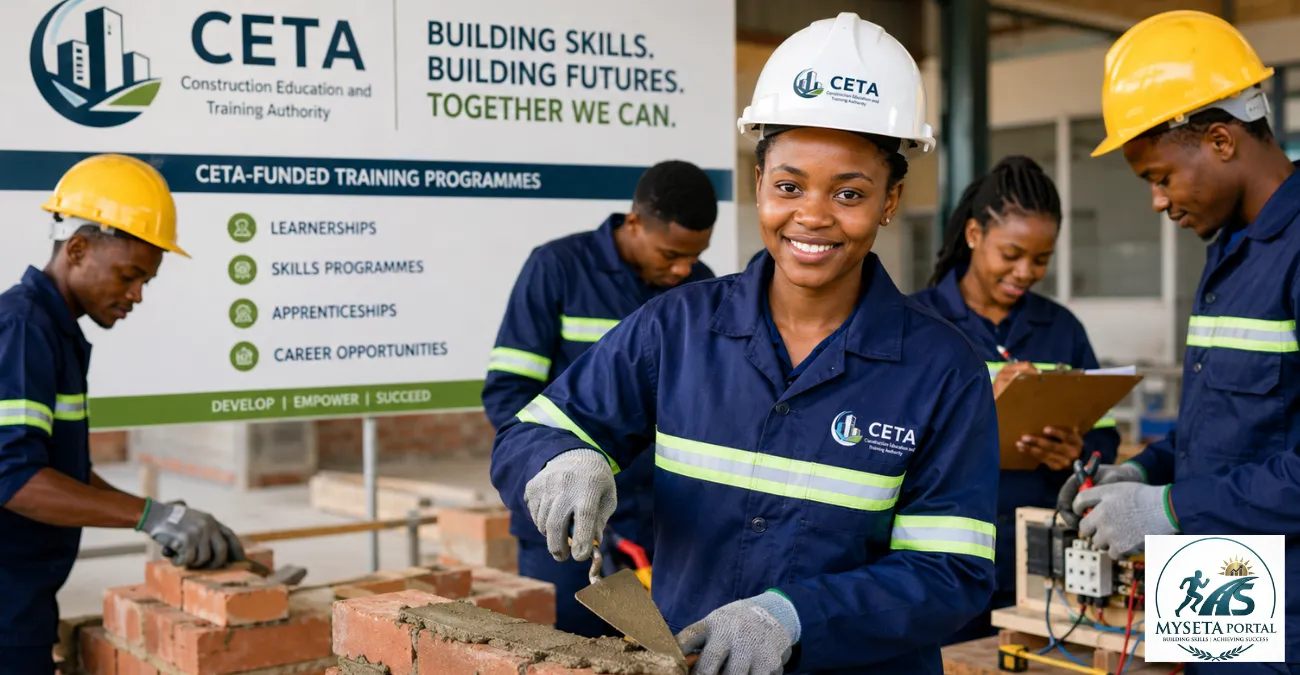
CETA-funded training programmes are designed to give you something powerful: skills, workplace exposure, and a real chance to enter the construction and built environment sector.
This is not just theory-based learning. It’s practical, structured, and aimed at turning beginners into employable skilled workers.
If you’ve been struggling to break into the job market, this could be one of the most important pathways you explore in 2026.
Fast Facts Table
| Role | Location | Closing Date |
|---|---|---|
| CETA-funded learnerships, skills programmes, and apprenticeships | South Africa (varies by provider) | Rolling intakes / varies by programme (2026 cycle) |
What Are CETA-Funded Training Programmes?
CETA-funded programmes are skills development initiatives sponsored by the construction sector’s training authority in South Africa.
They are built to solve one major problem: lack of skills and experience among young job seekers.
These programmes usually include:
- Learnerships (structured training + workplace experience)
- Skills programmes (short-term practical training)
- Apprenticeships (artisan and technical trades)
- Internships (office and technical exposure in construction-related fields)
The goal is simple: bridge the gap between unemployment and real employment in the construction industry.
The Deep Dive: What Your Day Actually Looks Like
Many people think training programmes are just classroom sessions. CETA-funded opportunities are very different.
Depending on the programme, your day may include:
Practical workplace training
You could be on-site learning how construction projects are managed, supervised, or executed.
Technical skills development
This includes hands-on exposure to trades like:
- Plumbing
- Electrical work
- Carpentry
- Civil construction basics
Classroom learning
You will also study structured modules such as:
- Safety standards (OHS)
- Construction mathematics
- Project basics
- Communication skills
Workplace discipline and experience
You learn what employers expect:
- Punctuality
- Teamwork
- Following instructions on-site
- Professional behaviour
By the end of the programme, you’re not just “trained.” You’re work-ready.
Entry Criteria & Documentation Checklist
Most CETA programmes follow similar requirements, but always check each advert carefully.
Basic eligibility
- South African citizen
- Ages typically 18–35
- Matric (Grade 12) for learnerships/internships
- Interest in construction or technical fields
- Unemployed (for most entry-level programmes)
Documents you must prepare
- Certified copy of ID
- Certified Matric certificate
- Updated CV (very important)
- Certified qualifications (if applicable)
- Proof of residence
- Banking details (sometimes required for stipends)
Make sure all documents are:
- Certified within the last 3 months
- Clear and readable
- Saved as PDF files for online applications
Growth Path: Where This Opportunity Can Take You
CETA programmes are not dead-end training. They are designed as career pipelines.
Here’s what progression can look like:
Step 1: Learnership or training programme
You gain basic technical and workplace skills.
Step 2: Entry-level employment
You can move into roles such as:
- Junior site assistant
- Artisan assistant
- Admin support in construction firms
Step 3: Trade qualification or specialization
With experience, you can become:
- Qualified artisan
- Site technician
- Project assistant
Step 4: Long-term career growth
Eventually, this can lead to:
- Site supervisor
- Construction manager
- Project coordinator
The key advantage is simple: you enter a structured industry with real demand for skills.
The “Stand Out” Section (Martine Smith’s Expert Insight)
Most applicants don’t get rejected because they’re unqualified. They get rejected because they make avoidable mistakes.
Here are three critical tips:
1. Don’t submit a generic CV
Recruiters can instantly see when a CV is copied. Tailor it to construction or skills development programmes.
2. Highlight any practical experience
Even informal experience matters:
- Helping on building projects
- School technical subjects
- Community work involving tools or maintenance
3. Double-check document quality
Blurry or uncertified documents are one of the fastest ways to get disqualified.
Small improvements can make your application stand out in a competitive pool.
Step-by-Step Application Guide
Applying for CETA-funded programmes usually follows this process:
- Visit official training or recruitment portals (often advertised through SETA partners or institutions)
- Search for “CETA learnerships” or relevant construction training programmes
- Read the full advert carefully before applying
- Register an account on the application portal (if required)
- Complete your personal and education details accurately
- Upload certified documents (ID, Matric, CV, etc.)
- Submit your application before closing dates
- Keep checking your email and SMS for feedback or interview requests
Tip: Always apply early. Last-minute submissions often fail due to system delays.
Grow Your Career with MySetaPortal
Unlock real opportunities that help you move from learning to earning. MySetaPortal connects South African youth with trusted and up-to-date career development opportunities designed to build skills and open doors.
Whether you are a matriculant, unemployed graduate, or someone looking to upskill, this platform helps you stay ahead with opportunities that matter.
What you can access:
Disclaimer & Closing
This article is for informational purposes only. While we aim to keep opportunities accurate and up to date, applicants must always verify details directly with official programme providers and application platforms such as mysetaportal.co.za.
CETA-funded training programmes are more than just short courses. They are structured pathways into one of South Africa’s most essential industries.
If you are serious about building a stable career, this is one of the strongest entry points available in 2026—especially for young people without prior work experience.
The opportunity exists. The next step is making sure your application is ready, complete, and competitive.

Martine Smith is the Founder and Managing Editor of MY SETA portal, he writes about SETA learnerships, internships, bursaries and youth employment opportunities in South Africa. His goal is to help young people access trusted career information and skills development programmes. Email: info@mysetaportal.co.za