
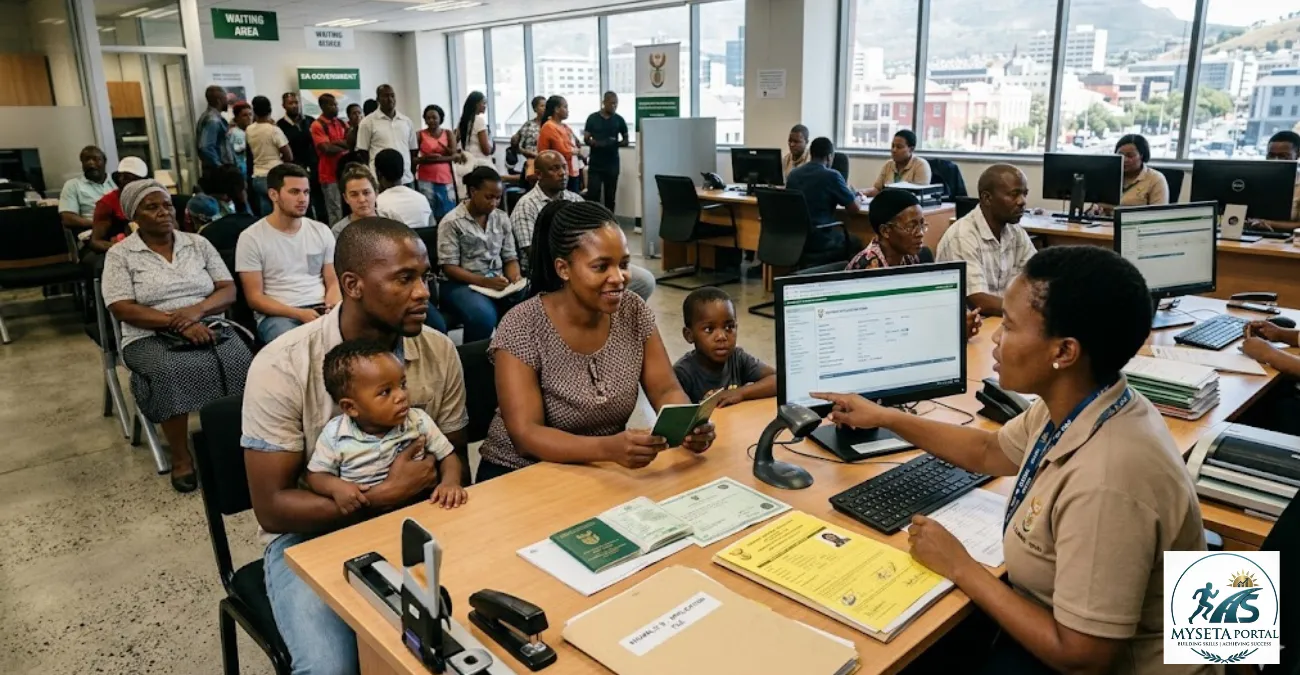
For many South Africans, receiving an RDP house represents far more than property ownership. It offers safety, dignity, and the chance to build long-term family stability.
But what many applicants do not realise is that government housing verification has become highly detailed and increasingly digital. Before an RDP house or housing subsidy is approved, authorities conduct multiple checks to confirm whether applicants truly qualify.
This is one of the main reasons why some applications move faster while others remain delayed, flagged, or rejected for years.
What Is RDP Housing?
Although many people still use the term “RDP house,” South Africa’s government housing programmes now include several subsidy systems managed through provincial Departments of Human Settlements.
These housing programmes are generally intended for:
- Low-income households
- Unemployed South Africans
- Vulnerable families
- Citizens without property ownership
- People living in unsafe or informal housing conditions
Because housing demand is extremely high, government departments use strict verification systems to prevent fraud and ensure fairness.
Why Government Verifies Housing Applicants
Housing opportunities are limited compared to the number of applications received across South Africa.
Verification systems help government:
- Prevent duplicate applications
- Detect fraud and corruption
- Confirm legal eligibility
- Prevent multiple housing allocations
- Ensure deserving families are prioritised
Authorities also use verification to identify applicants who:
- Already own property
- Previously received housing subsidies
- Earn above the qualifying income threshold
- Submitted false information
- Used incorrect identity details
For many applicants, understanding these checks early can help avoid delays later.
The Main Government Departments Involved in Verification
Several departments and national databases may be involved during the RDP housing verification process.
Department of Human Settlements
This department oversees housing subsidies, beneficiary approvals, and allocation processes.
Department of Home Affairs
Home Affairs helps verify:
- Identity numbers
- Citizenship status
- Marital status
- Family records
- Death records
South African Revenue Service (SARS)
SARS records may assist with:
- Income verification
- Employment information
- Tax-related checks
South African Social Security Agency (SASSA)
SASSA records may sometimes help assess household vulnerability and financial circumstances.
Deeds Office
The Deeds Office is used to confirm whether applicants already own property or benefited from housing subsidies before.
Step 1: Identity Verification
One of the first checks government performs is identity verification.
Authorities confirm:
- Whether the ID number is valid
- Whether the applicant is alive
- Citizenship status
- Age
- Marital records
If there are inconsistencies in Home Affairs systems, applications may be delayed or blocked.
Common Identity Problems
Examples include:
- Incorrect ID numbers
- Names that do not match official records
- Duplicate identities
- Deceased status errors
- Multiple applications linked to one ID
Even small administrative mistakes can create major delays.
Step 2: Citizenship Verification
Government housing programmes are primarily intended for South African citizens and certain qualifying permanent residents.
Verification systems check:
- Citizenship records
- Permanent residency status
- Identity authenticity
If citizenship cannot be confirmed properly, the application may fail verification.
Step 3: Income Verification
Income verification is one of the most important parts of the process.
Government housing is intended for lower-income households, meaning authorities must verify whether applicants fall within qualifying income thresholds.
How Income Is Verified
This may involve checking:
- Salary records
- UIF information
- Tax records
- Employer information
- Banking activity in suspicious cases
Applicants who earn above subsidy limits may not qualify for certain programmes.
Why Income Problems Happen
Applications may be flagged when:
- Income is understated
- Employment status changes
- Different departments show conflicting income data
- Temporary work appears on government databases
Many applicants are surprised to discover that older payroll or UIF records may still appear active.
Step 4: Property Ownership Checks
Government systems also verify whether applicants already own property or previously benefited from housing subsidies.
This is done using Deeds Office and property databases.
Applicants May Be Disqualified If They:
- Already own a house
- Previously received an RDP house
- Benefited from another subsidy
- Are linked to inherited property in certain cases
Some applicants only discover property-related problems during verification.
Step 5: Marital Status Verification
Marital status can significantly affect housing eligibility.
Government may check whether applicants are:
- Married
- Divorced
- Widowed
- Single
This matters because household income and previous benefits linked to spouses may affect qualification outcomes.
Common Problems
Issues often occur when Home Affairs records are outdated.
Examples include:
- Divorces never updated
- Deceased spouses still appearing active
- Incorrect marriage records
Outdated marital records can delay applications for years if not corrected.
Step 6: Dependants and Household Verification
Authorities may also assess:
- Number of dependants
- Children in the household
- Disability status
- Elderly dependants
This information may influence:
- Housing prioritisation
- Subsidy category
- Vulnerability assessments
- Housing type allocation
Applicants may sometimes need to provide:
- Birth certificates
- Affidavits
- Guardianship proof
- Disability documentation
Step 7: Duplicate Application Detection
Government systems attempt to detect duplicate applications and suspicious activity.
This may happen when:
- One applicant applies in multiple provinces
- Different people use the same address
- IDs appear repeatedly
- Family applications contain conflicting information
Duplicate applications often trigger investigations and long delays.
Why Some RDP Housing Applications Get Flagged
Applications may be flagged for several reasons.
Incorrect Personal Information
Even small mistakes matter.
Examples include:
- Wrong surname spelling
- Incorrect ID numbers
- Names differing across documents
Property Ownership Conflicts
Applicants may unknowingly appear linked to property ownership records.
Income Discrepancies
Government systems may reflect income even when applicants believe they are unemployed.
Previous Housing Benefits
Previous subsidies linked to spouses or family situations may affect approvals.
Fraud Detection
Applications showing suspicious patterns may be investigated further.
Why Some Applicants Receive Houses Faster Than Others
Housing allocation speed depends on several factors beyond the original application date.
These may include:
- Disability status
- Age
- Vulnerability
- Emergency housing needs
- Provincial priorities
- Informal settlement upgrades
- Availability of completed housing projects
Some applicants may also already have older verified records in the system.
How Long Verification Can Take
Verification timelines vary widely across provinces and municipalities.
The process may take:
- Several months
- Multiple years
- Even longer in high-demand areas
This often depends on:
- Provincial backlogs
- Manual investigations
- Land availability
- Housing project completion
- Audits and database verification
Many applications remain pending simply because verification has not yet been finalised fully.
Can You Check Your RDP Housing Status?
Yes. In some provinces, applicants can check housing status online or through local Human Settlements offices.
Status results may include:
- Approved
- Pending
- Waiting list
- Subsidy approved
- Beneficiary linked
- Application not found
Applicants should avoid unofficial websites claiming to guarantee housing approvals.
The Future Employability Factor: Why Accurate Records Matter Beyond Housing
Many South Africans do not realise that the same government databases used for housing verification may also affect other areas of life.
Accurate records can help support:
- Government opportunity applications
- Learnerships and bursaries
- Employment background checks
- Social support verification
- Financial applications
Keeping your information updated with Home Affairs, SARS, and other departments can reduce future administrative problems across multiple systems.
In today’s increasingly digital public sector environment, record accuracy matters more than ever.
Martine Smith’s Expert Insight
One of the biggest misunderstandings about RDP housing is believing that simply applying guarantees approval. In reality, verification is extremely detailed and increasingly connected across government systems.
1. Check Your Home Affairs Records First
Before applying, make sure your:
- ID details
- Marital status
- Names and surnames
match official government records exactly.
Even minor inconsistencies can delay verification.
2. Keep Every Housing Document Safe
Always keep copies of:
- Application forms
- Housing reference numbers
- Certified documents
- SMS notifications
Many applicants struggle years later because they lost their original paperwork.
3. Update Your Information Immediately
Changes in:
- Phone numbers
- Addresses
- Employment status
- Marital status
should be updated with relevant departments as soon as possible.
4. Never Pay Someone to “Guarantee” a House
No legitimate official can sell or fast-track an RDP house in exchange for money.
Housing scams remain a major problem across South Africa.
Grow Your Career with MySetaPortal
Unlock real opportunities that help you move from learning to earning. MySetaPortal connects South African youth with trusted and up-to-date career development opportunities designed to build skills and open doors.
Whether you are a matriculant, unemployed graduate, or someone looking to upskill, this platform helps you stay ahead with opportunities that matter.
What you can access:
- Career Guides
- SETA Guides
- Bursaries
- Learnerships
- Internships
- TVET Opportunities
- Apprenticeships
- Graduate Programme
- Government Services
Final Thoughts
Government verification of RDP housing beneficiaries is far more advanced than many applicants realise. Authorities now use multiple databases and digital systems to confirm eligibility and reduce fraud.
While the process can feel frustratingly slow, understanding how these checks work can help applicants avoid mistakes that delay opportunities.
For many families, keeping accurate records and updated information may be one of the most important steps toward eventually securing government housing support.
Readers can track housing guidance, government opportunity updates, and public-sector information through Mysetaportal.co.za.
Disclaimer
Mysetaportal.co.za is an independent information publisher and is not affiliated with the South African government, the Department of Human Settlements, SASSA, SARS, Home Affairs, or any provincial housing authority. Applicants should always verify housing information through official government channels.

Martine Smith is the Founder and Managing Editor of MY SETA portal, he writes about SETA learnerships, internships, bursaries and youth employment opportunities in South Africa. His goal is to help young people access trusted career information and skills development programmes. Email: info@mysetaportal.co.za