
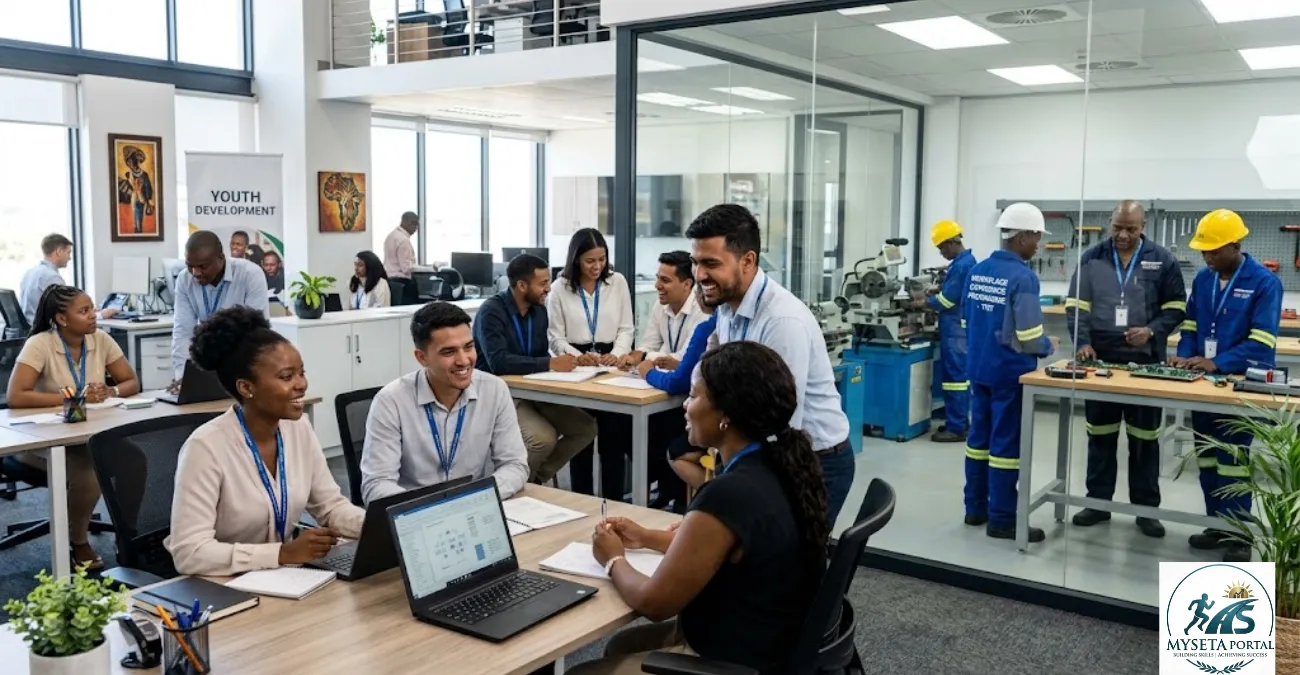
Workplace Experience Programmes for Youth in South Africa
One of the biggest challenges facing young South Africans is the “experience barrier.” Many entry-level jobs ask for previous work exposure — even when applicants are applying for their very first opportunity.
That is exactly why workplace experience programmes have become so important. These programmes help young people gain practical skills, industry exposure, and real-world confidence while improving their long-term employability.
For unemployed youth, graduates, TVET students, and first-time job seekers, workplace experience can become the bridge between education and permanent employment.
What Are Workplace Experience Programmes?
Workplace experience programmes are structured opportunities that allow young people to learn inside a real working environment.
These programmes may include:
- Internships
- Learnerships
- Graduate programmes
- Apprenticeships
- In-service training
- Job shadowing
- Work-integrated learning (WIL)
Many are linked to:
- SETA funding structures
- TVET College requirements
- University qualifications
- Skills development initiatives
- Government youth employment strategies
The goal is simple: help young people gain practical exposure that employers actually value.
Why Employers Value Workplace Experience
Employers increasingly want candidates who understand how workplaces operate.
Even basic workplace exposure teaches important professional skills such as:
- Communication
- Time management
- Teamwork
- Workplace etiquette
- Problem-solving
- Computer literacy
- Customer service
- Professional accountability
These are skills that cannot always be learned fully in a classroom.
Future Employability Factor
Young people with workplace exposure often become more competitive because they already understand:
- Reporting structures
- Professional behaviour
- Deadlines
- Workplace systems
- Industry expectations
This makes it easier for employers to onboard and train them further.
Types of Workplace Experience Opportunities Available
Learnership Programmes
Learnerships combine classroom learning with practical work experience.
Many programmes are supported by SETAs and may include:
- Monthly stipends
- Accredited qualifications
- NQF-aligned training
- Workplace mentorship
Popular sectors include:
- Retail
- Banking
- Logistics
- Information technology
- Public administration
- Manufacturing
- Hospitality
Why Learnerships Matter
Learnerships help young people build both:
- Practical experience
- Formal qualifications
at the same time — which significantly strengthens future job applications.
Graduate Internship Programmes
Government departments, municipalities, and private companies regularly offer internships for graduates.
These programmes help participants gain:
- Industry-specific exposure
- Administrative experience
- Technical skills
- Networking opportunities
Many internships later lead to:
- Contract extensions
- Permanent employment
- Internal promotions
- Further training opportunities
TVET College Workplace Exposure
Many TVET qualifications require students to complete workplace-based training before graduating.
This practical component helps students apply classroom knowledge in real business environments.
Industries Commonly Supporting TVET Students
Young people may find opportunities in:
- Engineering
- Electrical work
- Business administration
- Hospitality
- Information technology
- Public management
This experience can make TVET graduates highly employable in technical industries.
Apprenticeships and Artisan Training
South Africa continues facing a shortage of qualified artisans.
Apprenticeships help young people train in trades such as:
- Plumbing
- Welding
- Electrical work
- Fitting and turning
- Automotive repair
Long-Term Career Value
Qualified artisans remain in demand across:
- Construction
- Infrastructure projects
- Mining
- Manufacturing
- Energy sectors
For many young people, artisan pathways offer strong earning potential and long-term career stability.
Sectors Offering Youth Workplace Experience
Several industries continue investing heavily in youth development.
Government Opportunities
Departments and public entities often offer:
- Graduate internships
- Administrative placements
- Community development programmes
- Youth employment initiatives
Private Sector Programmes
Companies increasingly use internships and learnerships to build future talent pipelines.
Industries actively supporting youth development include:
- Banking
- Telecommunications
- Retail
- Technology
- Healthcare
- Logistics
NGO and Community-Based Programmes
Non-profit organisations also provide workplace experience opportunities focused on:
- Youth empowerment
- Community development
- Education support
- Social services
These programmes often help participants build confidence and leadership skills.
Common Mistakes Young Applicants Make
Many young people apply for workplace programmes without understanding how competitive they can become.
Small mistakes often reduce selection chances dramatically.
Martine Smith’s Expert Insight
1. Generic Applications Rarely Stand Out
Employers review hundreds of applications.
Young applicants should tailor their:
- CV
- Cover letter
- Supporting documents
to match the specific programme requirements instead of sending identical applications everywhere.
2. Professionalism Starts Before the Interview
Many applicants underestimate simple professionalism.
Late responses, unprofessional email addresses, missing documents, and poor communication immediately create negative impressions.
Even entry-level programmes expect professional behaviour.
3. Soft Skills Matter More Than Many Realise
Technical qualifications are important, but employers also look for:
- Reliability
- Positive attitude
- Willingness to learn
- Communication skills
- Teamwork
Candidates who demonstrate growth potential often stand out strongly.
4. Short Courses Can Strengthen Applications
Free or affordable short courses can improve competitiveness significantly.
Skills in:
- Microsoft Office
- Customer service
- Digital literacy
- Data capturing
- Workplace communication
can make applications far stronger — especially for administrative and corporate programmes.
How Youth Can Start Building Experience Immediately
Even without formal employment, young people can begin developing workplace readiness.
Helpful starting points include:
- Volunteering
- Community projects
- Freelance work
- School leadership roles
- Small business experience
- Online skills training
Every form of responsibility helps build a stronger future CV.
Young people can also monitor updated workplace experience opportunities, learnerships, internships, and youth development programmes through mysetaportal.co.za.
Grow Your Career with MySetaPortal
Unlock real opportunities that help you move from learning to earning. MySetaPortal connects South African youth with trusted and up-to-date career development opportunities designed to build skills and open doors.
Whether you are a matriculant, unemployed graduate, or someone looking to upskill, this platform helps you stay ahead with opportunities that matter.
What you can access:
- Career Guides
- SETA Guides
- Bursaries
- Learnerships
- Internships
- TVET Opportunities
- Apprenticeships
- Graduate Programme
Wrap-Up & Disclaimer
Workplace experience programmes are no longer optional advantages in South Africa’s economy — they are becoming essential stepping stones into long-term employment.
For young people struggling to secure their first opportunity, internships, learnerships, apprenticeships, and workplace exposure programmes can open doors that traditional applications alone often cannot.
The key is to start early, stay consistent, and continue building practical skills that employers value in the real world.
Disclaimer: Mysetaportal.co.za is an independent information publisher and career guidance platform. The website is not affiliated with or officially endorsed by any government department, SETA, or public entity. Applicants should always verify official programme details directly with the relevant organisation.

Martine Smith is the Founder and Managing Editor of MY SETA portal, he writes about SETA learnerships, internships, bursaries and youth employment opportunities in South Africa. His goal is to help young people access trusted career information and skills development programmes. Email: info@mysetaportal.co.za